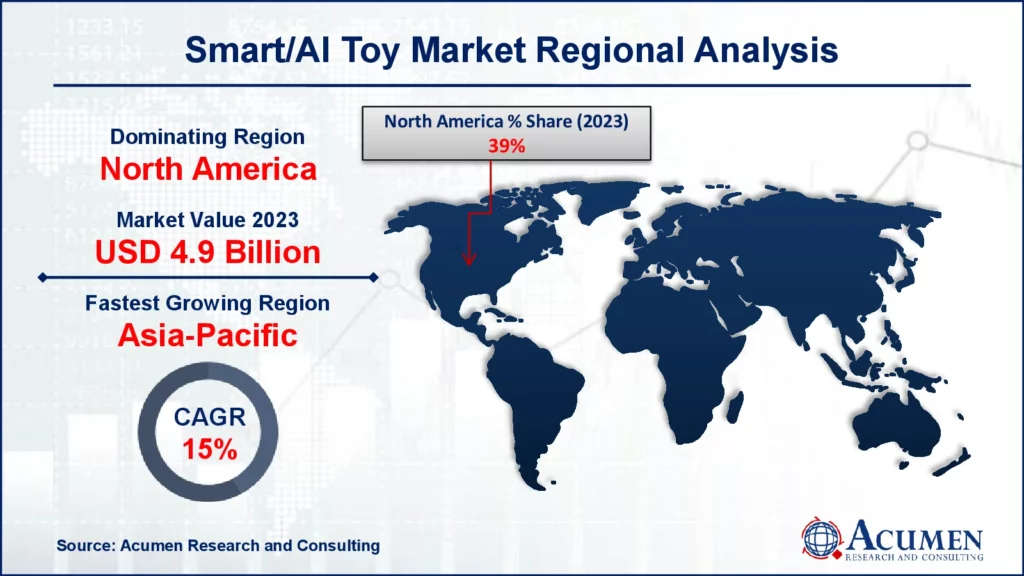
AI has created a dramatic change in the toy industry. Market projections show growth from $12.7 billion in 2023 to $40.1 billion by 2032. Interactive games dominate 75% of this expanding market, which points to a fundamental change in children’s play and learning patterns.
Smart toys now serve as advanced learning companions that adapt to children’s development stages. These AI playmates make learning fun. They turn regular playtime into exciting educational experiences. Leading brands like LEGO and Hasbro use AI to enhance toy design and forecast market trends. This shows how deeply AI has become part of the industry’s DNA.
This piece examines the AI in toys industry trends and how wholesale toys from China are reshaping the smart toy landscape and disrupting traditional play patterns. You will find what a world of evolving smart toys means for the future. These breakthroughs make playtime more interactive and educational than ever.
Table of Contents
AI in Toys Industry Trends about The Evolution of Smart Toys
Smart toys started their amazing trip in 1998 when Intel and Mattel teamed up to create the groundbreaking ‘Smart Toy Lab’ in Portland, Oregon. This teamwork combined Mattel’s toy design skills with Intel’s tech innovation. The result? Next-gen interactive toys.
From simple electronics to AI
Electronic toys started with simple sound chips and standalone tech that didn’t offer much interaction. Video game consoles soon challenged traditional toy companies to find new ways to boost play experiences.
Today, smart toys work as sophisticated personal assistants that adapt to each child’s needs. These modern toys talk to apps, answer voice commands, and show how they learn. They make learning personal. They adapt to each child’s skills and interests. This offers unique ways for kids to engage.
Key technological breakthroughs
AI has brought amazing advances in toy development. Companies like WowWee now employ AI across their operations, from paperwork to early concept art. ROYBI has created an AI robot just for education that uses voice recognition to have natural conversations.
Some amazing tech breakthroughs include:
- Thames & Kosmos’ KAI is a buildable AI robot. It teaches kids about advanced computing. Kids learn through hands-on experience.
- Mego’s 2XL Cobot, which runs on D1srupt1ve’s MAGICAL platform and tracks how excited kids get about different subjects
- Mattel’s Pictionary Vs. AI, which mixes classic gameplay with artificial intelligence
AI tools have changed how toy designers work. These tools speed up:
- Market research and ideas
- Product visualization
- Design changes for different audiences
- Making and testing prototypes
The toy industry keeps pushing tech boundaries. AR and VR promise to create even more immersive ways to play. These advances make toys more fun and help kids develop better spatial awareness and thinking skills.
Latest AI in Toys Industry Trends
AI has transformed children’s toys, creating a new era of learning and play. Top manufacturers now produce revolutionary products that blend fun with education, setting new standards for interactive play. It integrated an innovative AI Tools smoothly.
▶Interactive companions
Modern AI companion toys create individual-specific experiences. Vector 2.0 has an HD camera and computer vision. This lets it identify people, remember faces, and navigate spaces without hitting objects. As one of the best hot selling Ai toys, EMO is a desktop AI pet. It can track sounds and recognize up to 10 people. According to Fantasy AI 35% of parents say they talk to their kids about AI, highlighting how engaged families are with these technologies. EMO shows over 1,000 unique emotions with its facial animations and body language.
These companions adapt remarkably well during interactions. The Bubble Pal offers special experiences tailored to each family member’s interests. It keeps kids engaged with custom questions and fun activity ideas. Miko Mini is a talking robot. It helps children learn to solve problems and think critically.
▶Educational robots
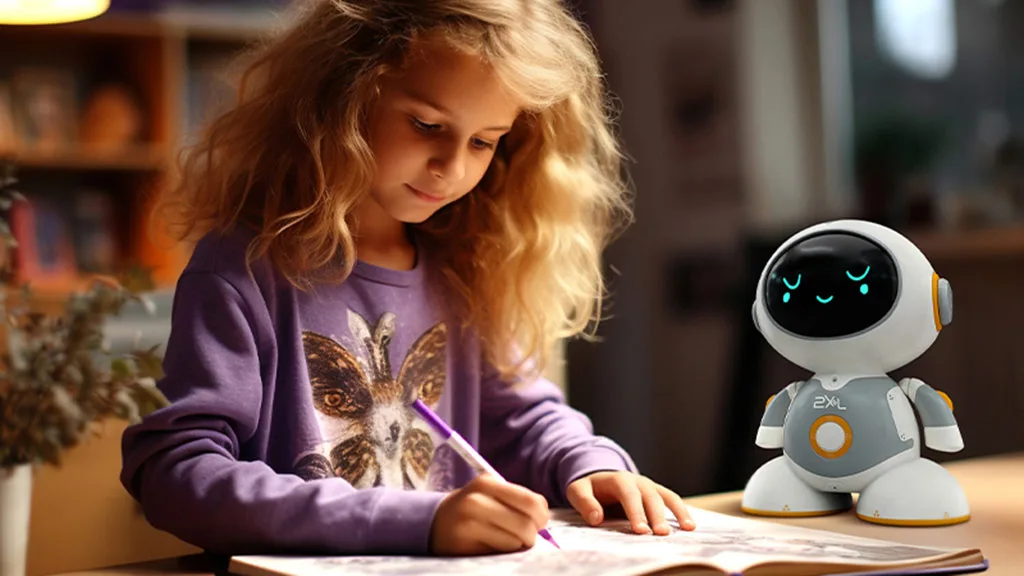
AI educational robots have evolved into sophisticated learning partners. ROYBI Robot provides more than 500 interactive lessons in 70 categories, with multiple language options including English, Spanish, French, and Chinese. Snorble uses natural language processing. It helps children build healthy habits. It supports bedtime routines and daily tasks with positive reinforcement.
Mego’s 2XL Cobot marks a significant advancement in educational AI. D1srupt1ve’s MAGICAL platform powers this robot to observe what excites children and modifies its questions. This adaptive method provides each child with educational content suited to their interests and pace.
▶Smart building sets
AI integration in construction toys creates fresh opportunities to learn hands-on. Thames & Kosmos’ KAI stands out as a buildable artificial intelligence robot that children assemble from more than 100 pieces. Young builders use the KAI Robotics app to program movements and sounds. This helps them gain hands-on experience with AI concepts.
WowWee’s Dog-E shows what next-generation smart building can achieve. This AI robot dog offers unique experiences for every family member. It uses audio and touch sensors. Plus, it has a programmable tail that displays icons and messages. Kids learn programming basics on this fun platform while enjoying their robotic pet’s company.
Expert Insight: These advances show how AI toys grow more sophisticated yet remain available to young learners. They don’t replace traditional play but boost it with layers of interactivity and educational value that adapt to each child’s development needs.
Prasanna Lohar, Digital Banker
AI in Toys Industry Trends: Impact on Traditional Play
AI Toys Vs Traditional Toys (Quick Preview)
| Category | AI Toys | Traditional Toys |
|---|---|---|
| Technology Integration | • Embedded AI/ML algorithms (e.g., NLP, computer vision). • Connectivity (IoT, cloud-based updates). • Real-time data analytics. | • Passive/no tech integration. • Physical/manual interaction only. |
| Educational Value | • Personalized learning paths (adaptive to child’s pace/interest). • STEM skill development (coding, logic). • Gamified, outcome-driven. | • Basic sensory/motor skill development. • Limited customization. |
| Interaction Mode | • Voice/gesture-controlled. • Dynamic, context-aware responses. • Multi-sensory engagement (AR/VR). | • Static/no feedback. • Limited/no interaction beyond physical play. |
| Safety & Compliance | • Advanced safety features (emotion recognition, content filters). • EU AI regulations compliance (algorithmic transparency). • Data privacy concerns. | • Mature safety standards (no tech risks). • No regulatory tech hurdles. |
| Cost Structure | • Higher upfront R&D costs. • Subscription/SaaS models for updates. • Premium pricing (30-50% more than traditional toys). | • Low production costs. • One-time purchase. • Affordable pricing. |
| Sustainability | • Eco-friendly materials (recyclable tech components). • Energy-efficient (low-power AI chips). | • Variable sustainability (depends on materials). • Bulk production inefficiencies. |
| Market Trends | • 47% growth in AI toy sales (2025 forecast). • Focus on “smart playtech” for B2B clients (schools, edtech firms). • Patent-driven competition. | • Declining market share. • Nostalgia-driven demand (classic designs). • Commodity pricing. |
| Challenges | • High development complexity. • Privacy/legal risks (data breaches). • Technological obsolescence. | • Limited innovation. • Price sensitivity in emerging markets. |
| Ideal Use Cases | • STEM education programs. • Autism therapy tools. • Corporate training (e.g., AI coding toys for employees). | • Early childhood development. • Play therapy. • Cultural/historical education. |
Kids today spend about 8 hours less time playing each week compared to 20 years ago. AI-powered toys have changed the way children play. These changes show how kids interact differently with their toys in our digital world.
Changes in playing patterns
Smart toys have brought new ways to play that look nothing like the old days. These AI companions talk back to kids and create challenges that make playtime more interesting. All the same, research shows kids under 5 learn better with regular toys.
Kids need physical activity to grow up healthy. Canadian research shows what happens when schools add natural play areas:
- 90% of kids want to play outside more
- 82% learn better
- 81% get along better with others
Play helps kids connect their imagination with the real world. Regular playtime teaches them basic life skills like:
- Meeting new friends
- Sharing with others
- Solving problems
- Learning rules
Balance with classic toys
Classic toys still charm kids despite new technology. Building blocks, LEGOs, and craft supplies topped the 2022 Christmas toy lists. Teens and adults buy 25% of all toys, spending about $9 billion on modern versions of classic toys for their kids.
Kids need both AI and traditional toys to grow up well. The “90-10 principle” works best – let kids control 90% of playtime while toys guide just 10%. This way kids stay creative and run their own play adventures.
AI toys should add to traditional play, not replace it. This mix helps kids grow in many ways:
- Social and emotional skills
- Physical fitness
- Creative thinking
- Problem solving
Toy makers create products that mix old and new ideas. Some companies add virtual elements to make regular toys more fun for tech-loving kids. But experts say toys should get kids playing together instead of alone.
If you want to develop your AI business, as a professional China sourcing agent, we look forward to cooperating with you. Contact us now!
Suggested Reading
- How to Find Best China Toys Factory
- Import fidget toys From China
- Exploring The Type Of Ai Toys For Kids: A Guide To Fun And Educational Options
Future of AI in Toys Industry Trends
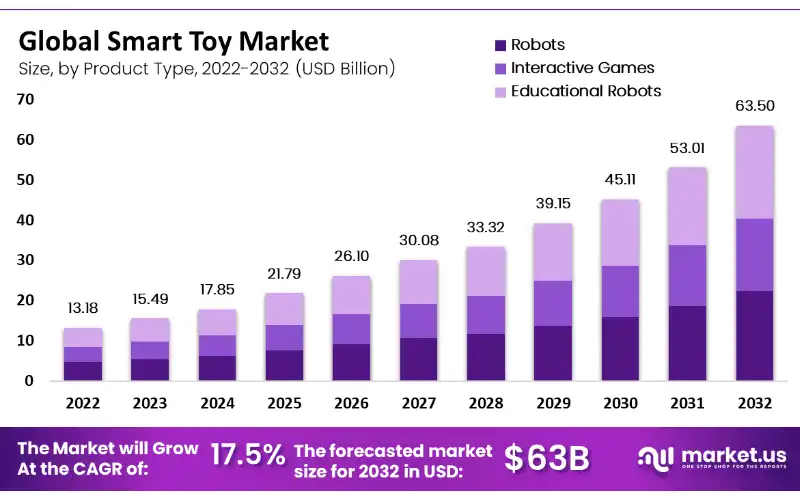
Market projections show an exciting future for AI-powered toys. This remarkable growth shows a significant change in how children play with their toys.
★Upcoming innovations
The next generation of smart toys combines three core technologies through advanced sensors and AI algorithms. The best AI newsletters would regularly feature developments in:
- Environment-detecting sensors and cameras
- Advanced voice recognition systems
- Personalized response algorithms
Snorble shows this progress with its unique interactive play approach. The company uses radar technology instead of traditional cameras. It works offline and connects to the internet only for updates. This design shows the company’s commitment to children’s privacy and data security.
★Predicted market changes
Smart toy markets will grow substantially in the Asia-Pacific region, particularly in China and India. We see this expansion because of increased urbanization and higher disposable incomes. Manufacturers have adapted their strategies to meet regional needs.
Strategic collaborations between toy companies and technology firms will create future breakthroughs. These partnerships want to create toys that offer:
- Better educational value through individual-specific learning experiences
- Natural integration with IoT devices
- Greater emphasis on sustainability and eco-friendly materials
★New possibilities
AI creates new frontiers in educational play. Thames & Kosmos’ KAI robot shows this potential by giving hands-on experience with AI concepts. Kids learn programming and movement control with the KAI Robotics app. This app gives them real-life experience with advanced computing technology.
The future of AI toys will focus on:
- Personalized Learning: Smart toys adapt to each child’s stage. They provide custom educational content that grows with their progress.
- Enhanced Interaction: Advanced natural language processing will enable better conversations between children and their toys
- Parent Integration: Connected toys help parents see how their kids grow and play.
- Environmental Awareness: Manufacturers now focus on sustainable materials and methods. This shift comes from rising environmental concerns.
AR (augmented reality) presents another promising frontier. Physical toys will blend with digital elements and create immersive experiences that combine traditional play with technological breakthroughs. These advances will support STEM education and prepare children for a tech-driven future.
Pro Tip: Government regulations and industry standards will shape future developments significantly. These guidelines will keep AI toys safe and secure. They will protect kids’ privacy and promote fun, creative play.
Related Resources: 8 Best Ai Toys Manufacturers In The World
Making AI Toys Accessible
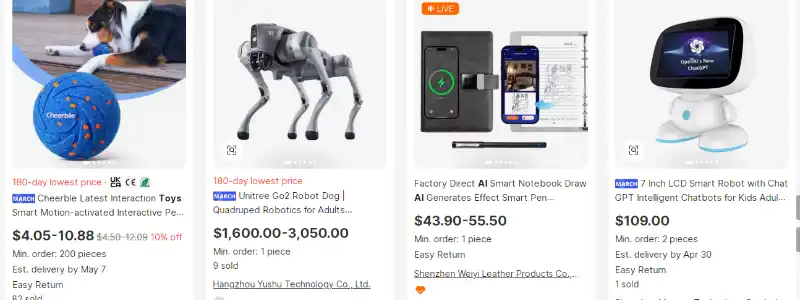
Let’s talk money. Smart toys are booming – we’re looking at a $12.7 billion market right now in 2023. But here’s what parents really want to know: can they actually afford these high-tech playthings?
Price trends
AI toys come in a range of prices from budget-friendly to premium options. You can find simple AI-enabled toys starting at $24.99 with features like voice control and touch sensors. Educational robots like Miko Mini cost around $54 and provide STEM learning experiences with interactive gameplay.
Premium AI companions cost more, usually between $139 to $499. These advanced models come with sophisticated features such as:
- Natural language processing
- Computer vision capabilities
- Personalized learning algorithms
Manufacturing costs of AI toys create an interesting pattern. Hardware components make up just one-tenth of the retail price, while AI solutions drive most of the cost. Manufacturers can improve software capabilities without adding much to production expenses because of this cost structure.
Premium AI companions like Loona V24 use GPT-4 technology and advanced gesture recognition. These toys are pricier, but they offer many features. They also get regular software updates, which keep their educational value high.
Market research shows AI toys are becoming more affordable because of:
- Technological advancements that reduce production costs
- More competition among manufacturers
- Growing consumer demand for educational smart toys
E-commerce platforms have made AI toys available to more people by offering various price points and payment options. Online and offline retailers compete actively, which leads to better pricing and special promotions.
Ai Manufacturers now develop solutions that bring advanced AI features without premium prices. Smart toys are becoming available to more people, which matches the industry’s goal. The AI toy industry keeps growing through strategic pricing and diverse products.
Conclusion
Smart toys lead a play revolution that revolutionizes how children learn and interact with their environment. Market projections definitely support this transformation. We have a long way to go, but we can build on this progress while keeping everything in play that helps development.
Toy companies are creating smart and easy-to-use AI features. This makes the future look bright. Next-gen smart toys will have advanced sensors, custom learning algorithms, and better safety features. If you want to seek quality AI toys can visit leelinesourcing.com or email [email protected] to explore sourcing options from China.
People Also Ask about AI in Toys Industry Trends
Q: What are the latest AI in Toys Industry Trends?
A: The latest trends are using AI for personalized learning, fun play, and better safety in toys.
Q: How is AI transforming the toy manufacturing process?
A: AI is making design and production easier. It helps manufacturers make more creative and personalized toys, and it cuts down the time to market.
Q: What benefits does AI offer to consumers in the toy industry?
A: AI improves playtime by giving personalized suggestions. It also helps kids learn in a fun way and offers interactive features that keep them engaged.
Q: Are there any safety concerns with AI-powered toys?
A: Yes, safety concerns include data privacy and possible tech misuse. We must also ensure AI features keep kids safe while they play.